
Key Takeaways
- Nexo reports bitcoin rallied 42.7% in Q3, surging from $58,544 to $83,570 to end a prolonged slump.
- The U.S. Treasury boosted global risk assets by doubling purchases of long-dated bonds in Q3.
- Federal Reserve rate decisions and ETF flows in Q4 will determine if bitcoin momentum can sustain.
Federal Reserve and Inflation: Bitcoin’s Core Drivers
As the global cryptocurrency market enters the final stretch of the year, a new report from digital asset wealth platform Nexo paints a picture of a resilient market finding its footing. Following a third-quarter recovery that broke a prolonged slump, the industry now faces a pivotal fourth quarter where macroeconomic policy, monetary decisions and institutional demand will dictate the next major trend.
The third quarter delivered a much-needed psychological and financial turning point for crypto markets. Breaking three consecutive quarters of negative performance, bitcoin jumped 42.7% after starting the quarter at $58,544 and closing at $83,570.
Altcoins participated heavily in the third-quarter upside, capitalizing on an improved risk appetite. Ethereum outperformed alongside the broader market, racking up an impressive 70.9% gain over the quarter, while Solana appreciated by approximately 60%. Nexo’s data highlights that the primary catalyst for the broad-based recovery was not a crypto-native breakthrough, but a U.S. Treasury announcement that it would double its purchases of long-dated bonds.
This move effectively compressed bond yields and injected vitality back into global risk assets. As selling pressure systematically eased through September, on-chain metrics improved markedly, with the share of bitcoin supply held in profit climbing back to roughly 69%.
While the market backdrop is undeniably healthier than it was midyear, Nexo’s outlook stresses that fourth-quarter performance is far from guaranteed. The market enters the final quarter facing a delicate balancing act between supportive structural indicators and near-term macro hurdles.
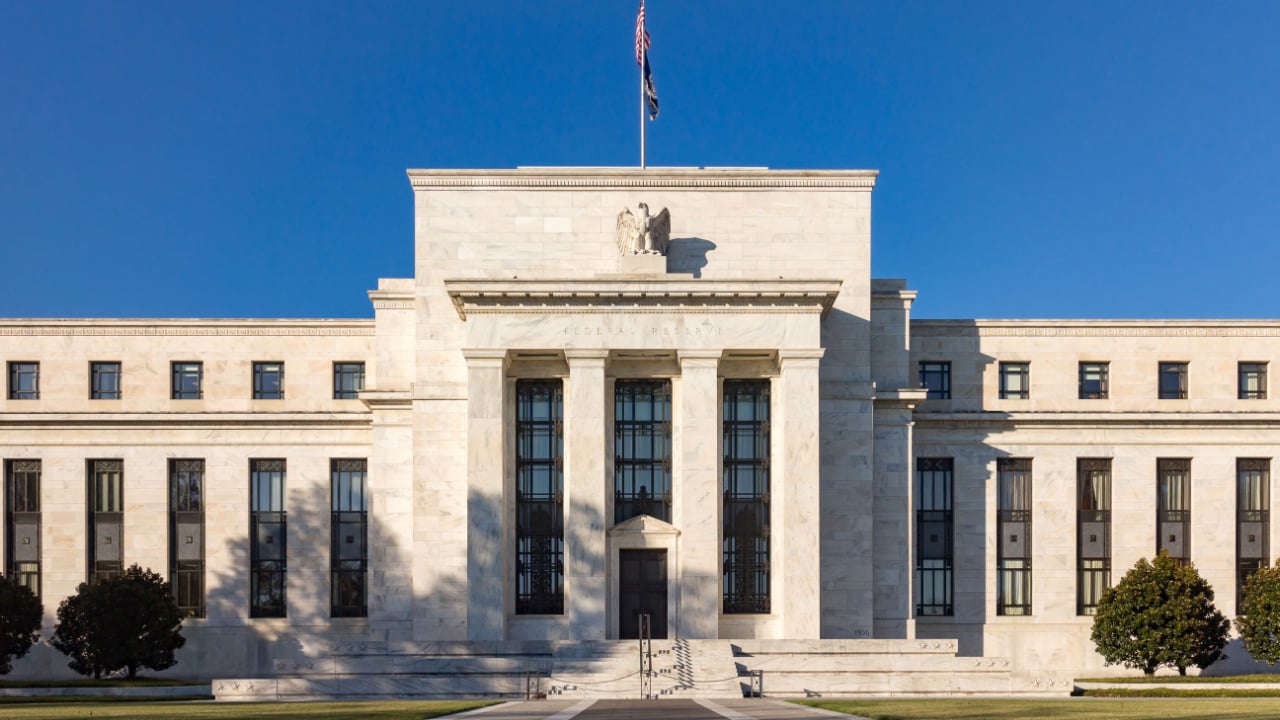
At the heart of Nexo’s fourth-quarter outlook is monetary policy. The upcoming Federal Reserve interest rate decision looms large as a definitive catalyst for digital assets. According to the report, the direction of interest rates and incoming inflation prints will heavily dictate whether momentum can sustain itself. A favorable rate decision or a policy hold could pave the way for continued market expansion, whereas unexpected hawkish shifts or persistent inflation could introduce heavy volatility and force consolidation or a pullback.
Mixed ETF Signals and Potential Market Scenarios
Institutional participation remains the cornerstone of modern market cycles, but the fourth quarter has introduced mixed signals. Following the robust capital inflows of the previous quarter, exchange-traded fund (ETF) flows turned net negative in October. This dip highlights underlying market uncertainty and indicates that institutional investors are temporarily pumping the brakes to reassess macroeconomic conditions before committing fresh capital.
Meanwhile, Nexo’s outlook maps out a spectrum of potential paths for the remainder of the year. The primary projection is that bitcoin and major altcoins could resume their upward trajectory, provided monetary policy remains stable or eases. If macroeconomic uncertainties persist, markets may enter a prolonged sideways range as investors wait for clarity on inflation and central bank actions. Conversely, should incoming data surprise to the upside on inflation or force the Fed into a more restrictive stance, risk assets could face short-term downside corrections.
Ultimately, Nexo’s report portrays an asset class that has successfully shaken off its midyear lethargy only to face a high-stakes macroeconomic test. With on-chain health robust and long-term conviction intact, the crypto economy’s immediate trajectory rests on central bank actions and upcoming liquidity signals. For traders and institutional players alike, navigating the final months of the year will require a keen eye on macroeconomic data releases and shifting ETF dynamics.